Showing posts with label living for free. Show all posts

Friday, 1 September 2017

My 3-Year Moneyless Journey In Review


It has been almost three years since I started the Stop Shopping Challenge, and since I started this blog. Also, with my PhD almost coming to an end, I feel that this is a perfect time for review.

Granted, I have not lived 100% moneyless for the entire time (only for about 2.5 years with some breaks in between), and I have not lived solely off of nature (without any help from others) for more than a few days. For example, I have still used tap water for most of the time and (public) internet connections. This is why I prefer to define the journey as a 'rewilding' experience. But what's in the name, right? For me it is the experience that counts.

The experience was about letting go of the attachment to money. The way I chose to do this was to find ways to live 100% without bills and without spending money (with just a few exceptions).  Because living moneyless took the focus off of money, it allowed me to reconnect to everything that brings real, tangible value to my life: friendships (with humans and other animals), food, nature, meditation, etc.

We all grow up with and get used to the idea that money is what gives us access to everything we need. Over the years, we start to (unconsciously) desire money and we forget our true desires. In exchange for choosing money over everything else, we lose our connection with everything that has real, inherent value. Nature, love, friendships, time (being present). It becomes an unconscious fixation and obsession for most of us that gets connected to everything we do. We start living more in the future rather than in the now; always working for a better life somewhere down the track.

We don't realize how deep this (dis-)connection goes until we start letting go of it. We long for money because we think it buys us what we really need and desire, but in fact it is a sham. Money has no value and chasing empty goals can only bring misery in the end. When we let go of this illusion, we can see clearly once again.

Here are some of the things that my moneyless journey has helped me do.

Being mindful and observant
I see more because I was not part of the system for a while. This new way of life has given me a new perspective for looking at the world. It is easier to observe the forest when you are not walking through it. It is easier to see the water when you are not submerged in it. And similarly, it is easier to observe society when you step back and cease to participate in it for a while.

Living in the moment
Without the fear of losing a job or the pressure of having to make money to survive (knowing I can always count on nature), it is far easier to relax and enjoy the moment. Stress is a thing of the past when we can live the way nature intended: without worries about the future, in the abundance of what nature provides, flowing with the seasons. I have also learned to have more patience and to accept (or love) things as they are, which is easy to do once you see that nothing is static but rather in a constant state of change... no matter how slow. I have learned to trust life and to believe in miracles. I know everything that needs to happen will happen in due time. This doesn't mean I have become complacent. I have learned to step up to the plate when I am able to do something to help another being without causing harm. And when it is clearly not up to me, then I have learned to let go without losing sight of what part I could help with. When I feel a strong need for change, I won't assume it is beyond my control without trying first. Thinking outside the box encourages me find new ways to help.

Appreciating what I have
Gratitude is something that developed within me naturally on this journey. In my experience, money often brings a sense of entitlement, and it can result in people taking things (as well as each other) for granted. When you live in closer contact with nature and observe keenly, you realize that while everything is given freely, you are not entitled to anything and nature doesn't owe you anything. Neither do other people. Therefore everything is grace, and while I remain conscious of this I don't take anything for granted. Habit can make people unconscious, and that is when we stop appreciating things and other beings. When we get too comfortable, habit slips in. And habit destroys our consciousness. Don't let your comforts lull you to sleep.

Building character
One of the biggest benefits of this journey was that it helped me to be the best version of myself. It inspired me to look within constantly, and to look at the way I relate to other people. It inspired me to have high standards of myself in my relationships with other people, because this way of life connects me to people in a different way. This lifestyle clearly demonstrates our interdependence - with each other as well as with other species - and it motivates me to be at my best and to help others whenever I can. Also, working on myself, exploring the boundless depths of my being and uncovering all that I am is the best way I can contribute to a better world.

Currently, I am still living mostly moneyless, living mainly off of food from supermarket dumpsters, supplemented with foraged and homegrown foods. I still dive at least two times a week, and preferably daily. I still marvel at the waste of society and will never forget what I have come to understand about society and money. However, at the same time moneyless living is no longer a compulsive goal for me at this time. This doesn't mean I will give it up in the near future, even though perhaps I may become less rigid about it for a while.

Having said that, I am still aiming to set up a sustainable, self-sufficient home base somewhere. I have no desire to be part of a system that doesn't serve me (nor other people, other species or nature). I will not give up the consciousness and awareness I gained through this experience. I will stay present and remain aware and observant. I will keep my eyes open to the truth, and see what is happening around me, beyond how it is presented to us by the media or people in power who have a vested interest in certain perspectives being pushed onto the public. I will keep questioning everything so that I can keep living my own truth, and not anyone else's.

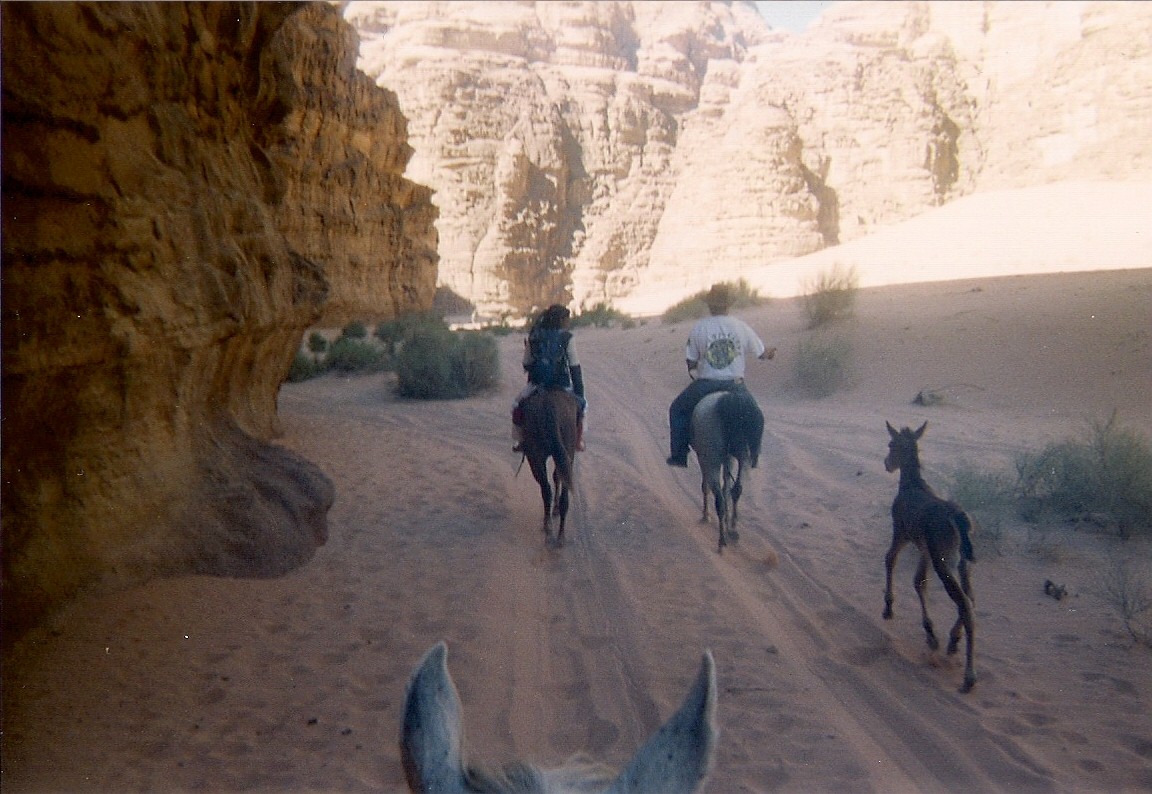
Thanks to Dörte Giebel for this picture :)


(You may also enjoy reading The Moneyless Mindset vs. the Exchange Mindset: What moneyless living has taught me)


Thursday, 8 December 2016

Taking A Break From Moneyless Living: Why I Miss It


Right now I am on a trip to Australia by train, which I managed to make a part of my research project. This means that I am taking a break from living a moneyless life for the duration of this trip: I buy train tickets, overnight stays and some food.
I try to stick to minimal spending, but I am definitely using money. However, from the very first day I was missing rewilded / moneyless living  already, and here is what I miss about it.

Freedom
People usually think that money buys them freedom, but this is actually not true. There is in fact a lot more planning and scheduling involved when you are using money: You have to book tickets that are only available in limited quantities, you have to book hotels or hostels that need to be arranged beforehand (also available in limited numbers) and if you only stick to using money, your travels are restricted to touristically developed areas.
You may think this buys you security at the very least (knowing you will have a place to stay), but this is not always the case either (there are always scammers around who are ready to take your money, hotels can get fully booked, you can end up in a less-than-great location or a hotel that is infested with bedbugs, etc).

Basic Kindness
It is interesting to see how just basic human kindness quickly gets lost as soon as money is involved. There have been several times here in China that people kindly offered to give me directions, but then wanted to sell me something (a ride, a ticket (far more expensive than the usual), or whatever), and then if I decline they happily send me off in the wrong direction, or lie about certain conditions. Several times these kinds of people have told me that 'the bus won't come for another hour! You will have to wait a long time!' I have time so I wait, and then of course it arrives within five minutes. It is very frustrating and quite sad to see how basic human kindness, helpfulness and love are lost just because of money. When money is the sole requirement for survival, all people care about is how much money they can squeeze out of you. They no longer see you as a fellow human being. No. They see you as an ATM. And that feels horrid. So I really miss the basic kindness and unconditionality that comes with living the moneyless life. In fact, kindness is what makes us human. It is what living beings are. Why compromise our very being and integrity just for some external reward? That is no reward. It is a punishment.

Fulfillment
Somehow I feel less fulfilled when I am spending money. Not only is there an absence of a feeling of achievement as I take care of my needs (after all, there is not much creativity or skill required when you use money: no real survival skills are necessary, and no learning or personal growth is required to happen at all) but I also feel a sense of emptiness in my day-to-day activities. This latter part is hard to describe, but I will try. When money is involved, it seems like my actions lose meaning to some degree: there is an added sense of emptiness and that causes an additional need to create meaning; a need that would not be there in the absence of money, because then each (inter)action has meaning and purpose. I am still not entirely sure how to describe this aspect exactly, but I think it has something to do with the conditionality that money creates and how it feels fake, complicated, cumbersome and draining us of our natural qualities.

Connection
I miss the sense of connection that comes from living without money. It just naturally leads to a life that is connected to everything: my fellow beings (human and non-human), the resources I use, the ecosystem I am a part of, nature as a whole... everything! There is nothing that feels as good as being immersed in and connected to life. It brings peace of mind.

Interdependence
People often say that they like the independence that money gives them, but I actually enjoy and miss the interdependence that moneyless living brings. It forms bonds and relationships that are real and lasting. It brings intense gratitude, a sense of happiness and a feeling of purpose on both sides. And most of all; it demonstrates what really matters in life (relationships). Life is all about relationships and what we can give to and share with each other. This is the meaning of life. If you live without money this is just so obvious and clear. And when money enters the equation, all of this is lost. Not just this realization, but also the very meaning of life.


I still encourage everyone to try moneyless living, even if it is just for a while. You will notice the differences and you will understand what I am talking about. You will also understand most of the current problems in the world and see the connections. You will see the solutions too. There is a way for us to live awesome, connected lives and to live in harmony with nature. There is a way for us all to feel fulfilled and live happy and healthy lives. There is a way for humans to live in real freedom (not the limited, fake freedom we have created). And contrary to popular belief, the way to do this does not involve money.


Thursday, 11 August 2016

The Forager's Diet - What I've Been Eating So Far

Since starting the Foraging Challenge, I have been learning a lot about plants. It is not as easy as I thought, because each time of the year (and location) offers its own menu of delicious foods to choose from. This means you can't just learn about basic plants and rely on those for the whole year. Also, with wild foods (as well as store-bought foods), variety is very important, because most plants are not healthy to consume in very large quantities. So small quantities of many different ingredients is important to stay healthy.

I will continue researching edibles for the rest of the year, so that I learn about many of the different foods that nature offers throughout the year. Here is an update on some of the things I have been eating so far:

Ground Elder
Without a doubt one of my favorites in early spring! Very mild and pleasant taste, but later in the year the flavor changes and the leaf becomes tough and stringy, even if the plant remains small. Not recommended in late spring / early summer.

Pine Pollen

For a short time during spring, pine trees start to fill the air with yellow dust: pine pollen. You can easily harvest some by walking around with a clean plastic bag, putting the bag around each branch, shaking it lightly and moving on to the next. You can add the pollen to smoothies or eat it as is. No need to break the branches or damage the tree in other ways. Just shake some off. Great taste and very healthy!

Mushrooms (Penny Bun)

Penny Bun is very tasty, available in rainy times (late summer until autumn). There are many different kinds of mushrooms though and it is recommended not to try any unless you are very sure about the species you have harvested. Some can be very poisonous! Can work great as a meat substitute.

Chickweed
Also one of my favorite springtime treats! Not just because of their flavor, but also because they can be eaten safely in relatively large quantities. When they get bigger, they lose much of their flavor though. Spring offers a lot of nutricious vegetables, including chickweed. It comes in several variants: Giant chickweed, mouse-ear chickweed and common chickweed (the tastiest and the one pictured above).

Lambs Quarters

Also one of my favorites and available here in very large quantities in (early) summer time. As with most plants, it tastes best when the plant is still young (or else you can just use the tops). Tastes a bit like spinach. Great raw as well as stir-fried.

Sea Weeds

Most nutritious during spring time, sea weeds are a great source of minerals and vitamins. As far as I know, all sea weeds are edible, but still it is best to identify the species you have harvested to make sure it is in fact edible and to find out the best ways to prepare it as food. Also great dried (can be ground into flour as well).

Berries
Berry season has finally started (end of July), so at the moment I harvest berries every day. I love all of them! Here we mostly have blueberries, wild strawberries, gooseberries, redcurrant, blackcurrant and cloudberries. I have also found wild cherries (technically not a berry, but still delicious).

By the way, I have yet to taste a food that is as delicious as wild strawberry. It is my all-time favorite wild food up until this moment and no other food even comes close to the rich and wonderful flavor of the wild strawberry. Taste it once and you may never want store-bought strawberries again.

Eating berries interestingly has made me want to stop using traditional toilets, because it helps complete the circle of life (and obviously it is way better for the environment).


I will continue learning about free foods as I go along to build up to another attempt of living off the land 100%.

Thursday, 30 June 2016

Interviewed By Maaike Wijnstra (Dutchies)

Link to the original full interview text (in Dutch).

Name: Liselotte Roosen
Age: 34
Living in: Trondheim, Norway
Since: 28 September 2014


Personal life

How did you end up in Norway?
At the beginning of 2014 I lost my job as a psychologist due to pneumonia (caused by burnout) and I decided it was time for something new; I didn't want to work as a psychologist anymore. In August 2014 I got two job offers at once: one as a teacher of psychology at a women's university in Riyadh and the other as a PhD candidate in environmental psychology (climate change and art) at Trondheim's university in Norway. After much deliberation (it was a difficult decision), eventually I opted for Norway, because I was hoping that having a PhD would lead to even more job opportunities in the future.


Why did you decide to move to Norway? (and what was the deciding factor)
I knew for a fact that I didn't want to stay in The Netherlands... ever. The Netherlands lacks space, nature and mountains. I never really felt at home there. There are too many people, too much red tape (due to the multitude of rules and regulations) and there is too much pollution. The weather in the Netherlands is also not that great, although Norway is not much better in that respect. The winters here are very long, cold and dark. This was the main reason I was not sure about the move at first. But eventually I decided to go, mainly because temporary nature of the job, which can also result in a PhD. The contract was for three years. This suits me quite well because I like change (and after this I can always decide to go to Riyadh if I would really want to). So I went mainly for the job and not so much for the country, even though almost everything here is better than in the Netherlands, but that is true for almost every other country in my view.


What are the advantages and disadvantages of Norway compared to The Netherlands?
The advantages are that there is plenty of space due to the low population density, the mountains and the (relatively clean and abundant) nature. The disadvantages are the long, cold, dark winters, but that is not just compared to the Netherlands, but compared to all the countries I lived in. Also I find it relatively difficult to make friends here and to find like-minded people. That is tough, because now more than ever I feel a strong need to connect with others who have similar views, although the blog helps a bit in that respect.


Do you feel like there is more understanding for your lifestyle in Norway than in the Netherlands?
Not necessarily... although it is difficult to compare because I mostly got serious with moneyless living after I moved to Norway. However, it does seem to me that people in the Netherlands are generally more aware of environmental issues than the people here. Maybe that's because there is so little nature left in the Netherlands (less than 12%) and therefore people might feel more inclined to protect what is left and to get environmentally engaged. Of course it also helps if you have traveled somewhat to other places. Otherwise you may not realize that anything is missing.

Life without money

How did you come across the no-money lifestyle?
I came up with the idea after I had started dumpster diving almost daily, before I came to Norway. I liked it so much that I kept going after I moved here and got a little bit obsessed with it, because I saw so much good food being thrown away daily. Next I started to apply the idea of 'living on leftovers' to more and more aspects of my life. This is how eventually I ended up living 100% moneyless (=without spending anything). It wasn't until I started my blog that I heard about others who were also living the moneyless lifestyle; most notably Daniel Suelo and Mark Boyle. I hope to meet them someday.


How did you get started living moneyless? What are the first practical changes you made?
The first step on my journey was dumpster diving and it was inspired by environmental activist Rob Greenfield. I had been following him for about two years via Facebook and I was very inspired by his lifestyle, because he is always following his passions in everything he does and that makes him free, in contrast to most people, who believe they have to work to make a living and they have to own a home. This idea more or less gets spoon-fed to us from an early age and I think that that (in part) leads many people to give up on their dreams and even forget about them altogether.

When did you decide to take it to the next level and really want to live without money?
At the end of November 2014 I decided to take up the challenge to live entirely without spending money (other than rent), because I saw that it was possible. Shortly after that (at the start of the summer in 2015) I figured I could also try to find free housing, Around August 2015 I found a family who kindly offered me their spare room. I lived there for a few months and after about three months I moved to a farm where I got my own little cabin, with a bathroom and kitchen in the nearby barn.


What are some of the first things you realized you did not really need?
It started with the realization that I did not need to buy anything, because everything that is sold in supermarkets can also be found in the dumpsters. I have found absolutely everything there, including cleaning products and hygiene products. Even (functioning) rechargeable batteries and a charger! But the challenge has also made me question my need for all of these products. It made me ask myself the question whether I could live without, or what I would do if I would somehow run out or no longer have access to certain things. And then it turns out that most of us really don't need so much. For example, I discovered that we don't really need laundry detergent to wash our clothes. Also most hygiene products are completely unnecessary and even harmful for the body and for the environment. And recently I also came to the conclusion that we don't really need the food that is sold in supermarkets, because much more nutritious foods can be found in nature. And of course the process of finding out we don't need as much as we think we do doesn't limit itself to products: for example I also know now that I don't really need a job - and perhaps that is the most liberating discovery of all.


Can you describe what the core of moneyless living is to you?
In the beginning it was mostly about no longer wanting to contribute to the destruction of the earth via the products that I was buying. For example, if I buy a pineapple in Norway, then I know that it had to travel a long way and that I am therefore contributing to the pollution that comes with that.Or if I buy new clothes, then I know that I probably indirectly support the exploitation of workers, perhaps even child labor, and again a lot of pollution. If I buy non-organic produce I am contributing to the extinction of bees, which would mean that many plant species would disappear. I no longer wanted to carry that heavy burden and I also no longer wanted to do so much research every time I wanted to buy something to make sure that it was a sustainable choice. So when I saw that there was a way out of this destructive cycle, because so much food (and other products) gets wasted on a daily basis, I went for it. And of course another great benefit was that I could save 100% of my income to build an eco-home or to start an eco-village in the future.
While I was living moneyless I discovered that there are many more advantages to this lifestyle, which are all the result of developing a new perspective on the world. Money promotes an exchange mentality (a calculated mindset of doing each other favors to get something in return). If you live moneyless then you can slowly let go of that mindset and then you notice how much impact it has on everything you do. That mindset has made its way into almost everything now with most people.

What is your ultimate goal?
For me the goal is total freedom and my mission on a larger scale is bringing awareness to the destruction that we are all contributing to. I hope that I can inspire people to consider making changes in their lifestyle, or at least show them that it is possible to choose another way. Many people consider the status quo as their only option. Before I got started on my journey, I also thought there was no way out. And that is a very depressing and discouraging view of life, especially if you want to give your life meaning and contribute something of value to the earth (instead of just the economy).


You get a lot of questions about how you are living without money, but you are still using facilities that other people pay for. What is your opinion on this?
It is true that I am still using certain facilities that have been paid for by others. For example, I am still using internet and water/electricity, which is paid for by the owners of the farm where I live. In addition I make use of roads and other public structures. However, for me it is irrelevant that these were paid for; it does not make my moneyless life somehow less moneyless. The reason is that when people make this comment, they often mean that they think you are some kind of parasite: leaning on others for support without really contributing anything of your own.
But the purpose of my lifestyle is not to get everything for free and make my life easier. The purpose is also not to do everything by myself without the help of others and be completely independent (although I would probably have the knowledge to survive without anyone’s help for quite a while). The goal and purpose of my lifestyle is to free myself from the structures and constructs that are destructive to the earth – and unfortunately it appears that money is one of those.
If everyone would live the way I do, then of course these comments would not matter anymore, because then everybody would live for free. People would contribute to society because they believe what they are doing to be important, instead of just to make money. Unfortunately my lifestyle is not that common yet that people instantly know what it is like and what it entails. Many people also have wrong assumptions about it and incorrect associations with it.
People often seem to fear that if there would be no money, there would be more people who will no longer contribute to society in any way and therefore take advantage of other people’s hard work. I think this will not be the case. Of course there are always people who will want to lean on others and abuse the system, with or without money. But I think that in a moneyless society this will happen less. That’s because in a world without money, there are a lot more natural (and direct) consequences for inefficient behavior. For example, if your community is in a potential flooding area because it lies below sea level (such as parts of the Netherlands), then it is important for the group to make sure that the dikes and dams remain strong enough. Everyone will be motivated to contribute to this, because it is a common interest and everyone will be equally affected when things go wrong. If everyone would just rely on others to do the work, and there were only a few people left doing everything, then eventually they would get fed up and start a community elsewhere, leaving those lazy people to fend for themselves. It is the same with food: everyone will need to go get their own food and look after the food forests, because that is what sustains you. The links between between actions and consequences are much more straightforward and it is much more likely that there are natural consequences for unhelpful or selfish behavior. It is much fairer that way. In a society that uses money there is also a lot of hidden laziness: people who simply pay others so that they don’t have to do anything constructive, and even people who do have a job, but a job that only causes damage.


At the moment you have a job and you are saving all your money. You want to quit working towards the end of 2017. I am curious:
1. What will you do with the money? Three years of salary is quite a lot of money.
Yes, that is correct :)  I am not sure what I will do yet exactly... Originally I wanted to save up so that I would be able to buy a block of land and start an eco-community, but because of my new lifestyle and new perspectives on life I am not so sure now. If I buy something, then I will be locked into costs again (and once again connected to money) and that is the very thing I wanted to give up and get rid of. So probably I will keep it available as a plan B, but first I will see what life will be like living the nomadic lifestyle, living completely on what nature provides.

2. What will you do with your time?
I would love to take up a nomadic lifestyle for a while, traveling to many different places and learning all about plants along the way (living off the land). For my next project (hopefully starting next year) I am planning to travel from Norway to Spain, either on foot or on horseback. I am already searching for a suitable (free) horse. Horses are given away here on a regular basis, because it is very expensive to keep them. Most of the ones that are given away are retired horses from the sport's industry, or very young and inexperienced horses. I can keep a horse for free at the farm where I live if I find a suitable horse.
I may travel to more countries as well. I would love to complete the silk route one day, also preferably on horseback. It seems like an epic journey! And while traveling I can give (free) workshops and lectures to further spread the word about alternative lifestyles and moneyless living. This is what I would like to devote the rest of my life to: to the well-being of the earth and to promoting and inspiring a more environmentally friendly lifestyle.


What is most difficult about your lifestyle at the moment? Are there any issues, concerns or obstacles you've come across?
Strangely enough I can't really think of any difficulties of this lifestyle, other than the growing fear that humanity is destroying too much nature (and will continue to do so), which threatens my way of life and that of many other life forms (including the lives of everyone who is contributing to it)... I think many other beings must be feeling this also. There is less and less undisturbed space and increasingly less room for nature to thrive and flourish. Yet it is nature that gives life to us all. Not the supermarket, not the companies and certainly not the state or government.
But that is the global perspective. Personally I have especially noticed that my life has become a lot simpler and easier and that I am a happier person and feel free. However, I can imagine that if I would get very sick (or if I would already have some serious disease) it could get a little more difficult. Therefore I am learning about natural and herbal medicine and I am trying to look after myself as best as I can. Also, I think that the average lifestyle is much more devastating to health than mine, so even that would not be a reason to give up on my dream. In any case I would do all I can to continue living this way, no matter what happens.


Our discussion on Facebook triggered quite a few reactions when you say you live your life in this way. What are the reactions of the people around you? And in the beginning?
At first most people around me thought I had lost my mind :) but fortunately this changed very quickly. When it turned out that everything I planned to do was possible, my friends and family were very pleasantly surprised and also proud of me that I made it happen (they didn't believe it was possible). On Facebook there are fortunately also a lot of positive responses, but for some people living moneyless is still too big a step. I do empathize with those people on some level, because for me the process was also gradual, so it is understandable when other people (especially if they haven't followed the blog from the beginning) don't always understand how you could do and see things differently than the usual way.

What would you like to offer the world? What changes would you like to manifest?
I would like to see us (humanity) interact with nature in a different way. That we once again consider ourselves to be one with the ecosystem we live in and that we become more aware of the resources we are using. And that once again we start to take responsibility again for the consequences of our choices for example with the kinds of purchases we make and the companies we support. I would like to see humans regain some of their self-sustainability, because that will make the world more sustainable as well. I'd like to see humanity focus more on long-term effects and solutions, instead of clutching onto the usual "throw-away" mentality. That we will once again explore how each of us can add real value to the earth, instead of just in terms of financial contributions. And that the interest of the earth is once again our main concern instead of just self-interest.
I think that moneyless living is a very suitable way to achieve all of these effects, because if you see nature as your most important and primary resource (which of course it is), then you will automatically appreciate it more and be driven to protect it.


For you, living moneyless equals freedom. But isn't it true that many people believe that the exact opposite is true? That they can use money to 'buy' their freedom, so that they can afford doing the things they really want to do or so that they can retire early?
That is true; that is the current trend and belief. And I used to believe this too. But now I see that it is actually a trap; a trap to keep people in the system. Of course there is a lot you can do if you have money, but I can do the same things without money (especially if you value experiences rather than things). And also: what is the price? If I do the things I want to do without spending money, then I don't need to earn money first and so I actually have the time to do those things. With a full-time job and high costs of living you may have money to spend, but you don't have the time anymore to do all the things you may want to do. Then you can only do things that really matter to you in weekends and during holidays. That means your life is suddenly substantially shorter! Now I can do the things that matter to me whenever I want to. Not just at some time in the future when I am retired, but now! I can even dedicate my life to a cause of my choosing.
Also, I can retire right now if I wanted to. I don't have to save up money for years, because money is not a necessity for me anymore. I don't need to stay in a job that doesn't really give me a sense of fulfillment and that doesn't give me the feeling I am contributing anything valuable. Without the need for money, nobody would do those jobs anymore. The world would be a very different place. We wouldn't have to do work that pollutes the earth. Instead we could quit working and dedicate our lives to looking after the planet and do all other things that really matter.


Working hard to eventually retire is not freedom. It is delayed freedom. You never know when it will happen. If the rules change (for example if the state pension age goes up), then it may take longer than expected, and it's not even in your hands. Someone who is free, is not bound by rules. Whatever the rules may be, I can always retire whenever I want.
That is freedom.


You point out that living without money to you means living without stress. How does that work? Because I personally (and I think many others also) feel a lot of stress when I have no money. When I don't know what I will be eating tomorrow and when I have no money to buy anything, then the pressure is very high to find a way to make money. Then it would be really comforting to be able to go to the shop to buy something.
Yes! You hit the nail on the head :) If you don't have any money, it gives you stress because we have not learned to take care of ourselves. This also makes it very stressful if you lose your job (or if the possibility exists). But what if you can just take care of yourself and you know where you can get food? What if you know that you can always rely on nature for your next meal? Then you don't have stress anymore, because you know you are always safe. You can always take care of yourself, also when the government or the system lets you down. And the system lets people down all the time. It happens every day.
If you know how to live without money, then it won't matter if you lose your job. If the supermarkets don't have any food in stock because of some environmental or political crisis, it also doesn't matter. You no longer depend on the supermarket.


Do you still visit the Netherlands sometimes? And how do you travel without money?
I have visited the Netherlands briefly last year to attend a conference (it was a work visit so the university covered the travel costs), but I was glad it was only for a few days. I noticed that the air pollution was bothering me a lot, especially on the first day. I think that happened because I was no longer used to it. When we are exposed to it all the time, we don't notice it so much anymore. This is another danger of what is happening to the earth right now: changes are gradual and so we get used to it and that makes it seem less bad than it actually is.
By the way, after I complete my job next year I will aim to travel solely by bike, (hitch)hiking, or on horseback.

Tips

Can you write a short step-by-step guide for the average consumer like me, to save money and to spend less?
1. Dumpster diving is a very good start. This is how I got started as well. (Foraging is an alternative if you don't have dumpsters nearby).
2. After this you can work on finding free alternatives for all your expenses, step by step. Every time you spend money, you can ask yourself: Do I really need this? And if so: How can I fulfill this need without spending money? And then it is a matter of trial and error; experimenting; getting creative.
3. Every alternative you come up with can also be tested for the sustainability factor. If it is not more sustainable than the ordinary way of doing things, then it may not be very valuable. It may not give you that lasting sense of accomplishment and fulfillment. You will see that if you choose to do things that are really good for the earth, they will also be good for you!


Finally, here are some links with more information, with practical tips to get started with the moneyless lifestyle:
More about the Stop-Shopping-Challenge, which started everything
More about Dumpster diving
More about Free Housing
More about the Moneyless Mindset
More about freedom (living free)


(NL) Interview door Maaike Wijnstra (Dutchies)

Hierbij het volledige interview met Maaike Wijnstra, waarvan een samenvatting is gepubliceerd op haar blog.

For the English version, click here.


Naam: Liselotte Roosen
Leeftijd: 34
Woonplaats: Trondheim, Noorwegen
Sinds: 28 September 2014

Persoonlijk

Hoe ben je terecht gekomen in Noorwegen? Bijvoorbeeld de eerste keer dat je er kwam.
Begin 2014 raakte ik mijn baan als psycholoog kwijt wegens longontsteking door burnout en besloot ik iets nieuws te gaan doen met mijn leven. Ik wilde niet meer als psycholoog aan de slag. In augustus 2014 kreeg ik twee banen tegelijk aangeboden: één als docent psychologie aan de vrouwenuniversiteit van Riyad en de andere als PhD kandidaat environmental psychology (climate change & art) in Trondheim, Noorwegen. Na lang nadenken en afwegen (het was een moeilijke keuze) werd het uiteindelijk Noorwegen, omdat ik hoopte met een PhD daarna ook weer meer kansen te hebben.


Waarom heb je besloten naar Noorwegen te verhuizen? (en wat gaf voor jou de doorslag)
Ik wist sowieso dat ik niet in Nederland wilde blijven. In Nederland mis ik de ruimte, de natuur en de bergen. Er zijn teveel mensen, er is teveel vervuiling en er zijn teveel regels voor alles (red tape). En het weer vind ik ook al niet geweldig, hoewel ik daarvoor ook niet naar Noorwegen had hoeven gaan. De winters zijn hier erg lang, koud en donker. Dus daardoor heb ik nog wel even getwijfeld. Maar ik ging hier vooral naartoe voor de (tijdelijke) baan (een contract van 3 jaar). Tijdelijk past goed bij mij want ik houd van verandering (dus daarna kan ik altijd nog naar Riyad als ik dat echt zou willen). Ik ging dus vooral voor de baan en niet zozeer voor het land, hoewel bijna alles beter is dan in Nederland, maar dat geldt voor bijna elk land in mijn optiek.


Wat vindt je de voor- en nadelen van Noorwegen ten opzichte van Nederland?
De voordelen zijn de ruimte wegens de lage bevolkingsdichtheid, de bergen en de (relatief schone) natuur. De nadelen zijn lange, koude, donkere winters, maar dat is niet alleen in vergelijking met Nederland, maar met alle landen waar ik gewoond heb. Ook vind ik het relatief moeilijk om echt in contact te komen met mensen hier en vriendschappen te sluiten. Ik heb hier ook moeite met het vinden van gelijkgestemden. Dat is wel eens lastig, maar mijn blog helpt hier wel bij.


Heb je het idee dat er daar meer begrip is voor jouw levensstijl dan in NL?
Nee, dat denk ik niet... hoewel ik het moeilijk kan vergelijken omdat ik mijn nieuwe levensstijl (leven zonder geld) pas echt heb doorgezet hier in Noorwegen. Wel lijkt het dat de mensen in Nederland over het algemeen zich meer bewust zijn van milieuproblematiek dan hier. Misschien is dat juist doordat er zo weinig natuur over is in Nederland (minder dan 12%) en mensen het daardoor meer willen beschermen. Uiteraard helpt het ook als mensen gereisd hebben naar andere landen met meer natuur en daardoor weten wat ze missen.

Leven zonder geld


Hoe kwam je in aanraking met de no money leefstijl?
Ik kwam op het idee doordat ik was begonnen met dumpster diving, voordat ik naar Noorwegen kwam. Dat beviel zo goed, dat ik ermee door bleef gaan en behoorlijk fanatiek werd. Vervolgens begon ik het idee van ‘leven van overschotten’ op steeds meer aspecten van mijn leven toe te passen. Zo kwam ik uiteindelijk terecht op 100% zonder uitgaven. Pas toen ik mijn blog gestart had, hoorde ik via lezers van mijn blog over anderen die ook zo leefden: met name Daniel Suelo en Mark Boyle. Ik hoop hen nog ooit te mogen ontmoeten.


Op welke manier ben je er mee begonnen? / Wat zijn de eerste praktische aanpassingen die je hebt gedaan?
De eerste stap was het dumpster diven en die stap was geinspireerd door Rob Greenfield. Ik volgde hem al zo’n twee jaar via Facebook en vond zijn levensstijl heel inspirerend omdat hij in alles zijn passies volgt en daardoor vrij is, in tegenstelling tot de gemiddelde mens die denkt dat hij/zij moet werken voor de kost en een huis moet hebben. Dit idee wordt ons min of meer opgelegd van jongs af aan en ik denk dat dat er (mede) toe leidt dat veel mensen hun echte dromen al snel opgeven en zelfs vergeten.

Wanneer besloot je het naar het volgende niveau te tillen en echt zonder geld te willen leven?
Eind november 2014 besloot ik de uitdaging aan te gaan om volledig zonder uitgaven te leven (met uitzondering van huur), omdat ik zag dat het kon. En kort daarop (begin zomer 2015) bedacht ik dat ik ook kon proberen om gratis woonruimte te vinden. Rond augustus 2015 vond ik een gezin waar ik gratis bij mocht komen wonen. En vanaf 1 october 2015 leefde ik volledig zonder uitgaven. Na 3 maanden verhuisde ik naar een boerderij waar ik mijn eigen cabin heb, met een badkamer en keuken naast de paardenstallen.


Wat zijn de eerste dingen waarvan je je realiseerde dat je die niet nodig had?
Het begon ermee dat ik me realiseerde dat ik dingen niet hoef te kopen. Alles wat te koop is in supermarkten is ook te vinden in de dumpsters. Ook schoonmaakmiddelen en hygieneproducten. Zelfs (werkende) oplaadbare batterijen en opladers heb ik gevonden. Maar de challenge heeft mij ook de vraag doen stellen of ik zonder zou kunnen, of wat ik zou doen als ik zonder zou komen te zitten. En dan blijkt eigenlijk dat we maar heel weinig dingen echt nodig hebben. Zo ontdekte ik dat men wasmiddel niet nodig heeft om was schoon te krijgen. Ook de meeste hygiene producten zijn volledig overbodig en zelfs schadelijk voor het lichaam en het milieu. En recent ben ik tot de conclusie gekomen dat we ook voedsel van de supermarkten niet echt nodig hebben en dat er veel voedzamer eten te vinden is in de vrije natuur. En uiteraard beperkt het zich niet tot produkten: ik weet nu bijvoorbeeld ook dat ik geen baan nodig heb – en dat is misschien wel het meest bevrijdende.


Kun je kort omschrijven wat voor jou de kern is van leven zonder geld?
In het begin ging het mij er vooral om dat ik niet meer wilde bijdragen aan verwoesting van de aarde door mijn aankoopgedrag. Bijvoorbeeld, als ik een ananas koop in Noorwegen, dan weet ik dat deze lang heeft moeten reizen en dat ik dus bijdraag aan de vervuiling die daarmee gepaard gaat. Of als ik kleding koop, dan ondersteun ik daarmee waarschijnlijk lage lonen, uitbuiting van mensen, misschien zelfs kinderarbeid en wederom een hele hoop vervuiling. Als ik niet-biologische produkten koop, dan weet ik dat ik daarmee bijdraag aan het uitsterven van bijen, waardoor een heleboel plantensoorten zullen verdwijnen. Ik wilde dat niet langer op mijn geweten hebben. En omdat ik zag dat er zoveel voedsel (en andere produkten) verspild wordt, zag ik hoe ik eindelijk uit die destructieve cyclus kon stappen. Daarnaast was het ook mooi meegenomen dat ik geld kon sparen om in de toekomst een ecohuis te bouwen of een ecodorp te kunnen starten.
Toen ik eenmaal geldloos leefde merkte ik dat het nog véél meer voordelen had, die allemaal voortkomen uit het ontwikkelen van een nieuwe kijk op de wereld. Geld promoot een voor-wat-hoort-wat mentaliteit. Als je zonder geld leeft (zonder uitgaven) dan kun je daar langzaamaan van loskomen en dan merk je hoeveel impact dat heeft op alles wat je doet. Want die mindset is bij veel mensen in bijna alles doorgedrongen.

Wat is je uiteindelijke doel?
Voor mijzelf is het doel ultieme vrijheid en mijn missie op grotere schaal is het aandacht geven aan de verwoesting waar we allemaal aan bijdragen. Hopelijk kan ik mensen inspireren om veranderingen in levensstijl te overwegen, of hen in elk geval laten zien dat er alternatieven mogelijk zijn. Veel mensen zien het leven zoals het is namelijk als de enige mogelijkheid. Ik dacht dat zelf ook voordat ik aan mijn projecten begon. En dat is heel deprimerend en ontmoedigend, vooral als je iets voor de aarde wil doen en je leven betekenis wil geven.


Je krijgt veel vragen over hoe je leeft zonder geld, maar toch gebruik maakt van faciliteiten waar andere mensen voor betalen. Wat is daarop je visie?
Het klopt dat ik nog steeds gebruik maak van bepaalde faciliteiten die door anderen zijn betaald. Ik gebruik bijvoorbeeld internet en water/electriciteit wat bekostigd wordt door de eigenaren van de boerderij waar ik nu woon. Verder maak ik gebruik van wegen en andere openbare structuren. Voor mij is het echter niet relevant dat hiervoor betaald is; dat maakt mijn geldloze bestaan niet minder geldloos. Mensen bedoelen namelijk vaak dat als je niet betaald en toch gebruikt maakt van dingen waarvoor betaald is, dat je een soort uitbuiter bent; iemand die leunt op anderen.
Het doel van mijn levenswijze is niet om alles voor niets te krijgen en mijn leven gemakkelijk te maken. Het doel is ook niet om alles alleen te doen of volledig onafhankelijk te worden (al zou ik genoeg kennis hebben om zonder hulp van anderen te overleven). Het doel is om los te komen van structuren en constructies die destructief zijn voor de aarde – en helaas is gebleken dat geld één van die dingen is.
Als iedereen zo zou leven als ik, dan zou dit punt er natuurlijk niet toe doen, want dan zou iedereen alles gratis doen. Mensen zouden hun steentje bijdragen aan de gemeenschap omdat ze belang hechten aan bepaalde zaken in plaats van puur om geld te verdienen. Helaas is mijn levensstijl echter nog niet zo algemeen dat mensen direct begrijpen wat het inhoudt. Veel mensen hebben er ook bepaalde (onjuiste) veronderstellingen en associaties bij.
Mensen lijken vaak angstig dat als er geen geld zou zijn, dat er dan veel meer mensen zouden zijn die hun steentje niet meer bijdragen en dus het harde werk van anderen uitbuiten. Ik denk dat dat niet zo is. Natuurlijk zullen er altijd mensen zijn die op anderen leunen en het systeem uitbuiten, met of zonder geld. Maar ik denk dat dat er juist minder zullen zijn als geld geen rol meer speelt. Dan zijn er namelijk veel meer natuurlijke (en directe) consequenties voor ineffectief gedrag. Bijvoorbeeld, als jouw leefgemeenschap in een gebied woont dat kan overstromen omdat het onder de zeespiegel ligt, dan moet je er als groep voor zorgen dat de dijken sterk genoeg blijven. Iedereen is dan gemotiveerd om daar aan bij te dragen, want het is een gemeenschappelijk belang. Als iedereen het aan anderen zou overlaten en er op den duur nog maar een paar mensen overblijven die het werk doen, dan zouden die daar op den duur ook genoeg van krijgen en zich gewoon elders vestigen. Er zijn dus veel eerder natuurlijke consequenties voor onbehulpzaam of egoistisch gedrag. Dat is veel eerlijker. In een samenleving met geld is er ook nog eens veel verborgen luiheid: mensen die simpelweg anderen betalen zodat ze zelf niks constructiefs hoeven te doen.


Momenteel heb je een baan en zet je al je geld opzij. Je wilt stoppen met werken eind 2017. Ben ik nieuwsgierig:
1.    Wat ga je met dat geld doen? Drie jaar salaris is toch een flink bedrag :)

Dat klopt :) Ik weet nog niet precies wat ik ga doen... Oorspronkelijk wilde ik het opsparen om daarna een stuk land te kopen om een eco-community te starten, maar door mijn nieuwe levensstijl en nieuwe inzichten ben ik daar niet meer zo zeker van. Als ik namelijk iets koop, dan zit ik weer vast aan kosten (en aan geld) en daar wilde ik juist van loskomen. Dus waarschijnlijk houd ik het achter de hand als een plan B maar ga ik eerst kijken hoe ik als nomade kan leven, volledig van de natuur.

2.    Wat ga je dan met je tijd doen?
Ik zou heel graag een tijdje als een nomade gaan leven, reizend naar veel verschillende plekken en onderweg leren over (en leven van) eetbare planten. Voor mijn volgende project ben ik van plan om van Noorwegen naar Spanje te reizen, ofwel te voet of te paard. Ik ben momenteel al op zoek naar een geschikt (gratis) paard. Paarden worden hier regelmatig gratis weggegeven, omdat het erg duur is om ze te onderhouden. De meeste paarden die worden weggegeven zijn gepensioneerde paarden uit de sport, of erg jonge en onervaren paarden. Ik heb in elk geval de mogelijkheid om hier een paard te stallen als ik een geschikte vind.
Ik zou ook graag naar andere landen reizen. Het lijkt mij bijvoorbeeld geweldig om een keer de zijderoute te doen. Dat lijkt me een geweldige ervaring! En onderweg kan ik dan gratis workshops en lezingen geven over alternatieve levensstijlen en geldloos leven. Dat is ook waar ik de rest van mijn leven graag aan zou willen wijden: het welzijn van de aarde en aan het promoten van een milieuvriendelijke levensstijl.


Wat is voor jou momenteel het lastigste aan deze levensstijl? Zijn er dingen waar je tegen aan loopt?
Gek genoeg is er niet echt iets wat ik kan bedenken wat lastig is aan deze levensstijl, behalve dan de groeiende angst dat de mensheid teveel natuur verwoest (en blijft verwoesten), wat mijn levensstijl en dat van vele andere levensvormen met mij, in steeds grotere mate bedreigt... zo moeten andere wezens zich denk ik ook voelen. Er blijft steeds minder ruimte over en steeds minder natuur. En het is de natuur die ons allemaal leven verschaft. Niet de supermarkt en niet de bedrijven en zeker al niet de staat/overheid.
Maar wat mij persoonlijk betreft, heb ik vooral gemerkt dat mijn leven zoveel simpeler en makkelijker geworden is en dat ik veel gelukkiger ben en me vrijer voel. Ik kan mij wel voorstellen dat als ik bijvoorbeeld ziek zou worden (of al een ziekte zou hebben) het misschien lastiger zou kunnen zijn. Maar ik verdiep me in elk geval in plantengeneeskunde en probeer zo goed mogelijk voor mijn lichaam te zorgen. Daarbij denk ik dat de doorsnee levensstijl veel slechter voor de gezondheid is dan de mijne, dus ook dat zou denk ik voor mij geen reden zijn om mijn droom op te geven. Ik zal er in elk geval alles aan doen om het voort te kunnen zetten, wat er ook gebeurt.


We zagen al op Facebook dat er best wat reacties loskomen wanneer jij aangeeft op deze manier te leven. Wat zijn de reacties uit je omgeving? En in het begin?
In het begin dachten de meesten dat ik mijn verstand verloren had :) maar dit veranderde gelukkig al snel. Toen bleek dat het allemaal mogelijk was wat ik van plan was, waren mijn vrienden en ouders vooral heel blijverrast en trots dat het gelukt was. Op Facebook zijn er gelukkig ook wel vaak positieve reacties, maar voor sommige mensen is het nog een stap te ver. Dat begrijp ik ergens ook wel, want voor mij is het ook een geleidelijk proces geweest, dus het is logisch als anderen (vooral als ze niet vanaf het begin hebben meegelezen) niet altijd begrijpen hoe je de dingen anders zou kunnen doen en interpreteren dan de gangbare manier.

Wat wil je zelf overdragen?
Ik zou heel graag zien dat wij (de mensheid) op een andere manier met de natuur omgaan. Dat we ons weer één voelen met het ecosysteem waarin we leven en dat we ons meer bewust worden van de resources waar we gebruik van maken. En ook dat we weer meer verantwoordelijkheid gaan nemen voor de gevolgen van ons eigen handelen, bijvoorbeeld door de aankopen die we doen. Ik zou graag zien dat mensen weer meer zelfvoorzienend worden, want dat zou de duurzaamheid op aarde ten goede komen. Ik zou graag zien dat we weer meer gaan denken aan de lange termijn in plaats van de gebruikelijke wegwerp-mindset. Dat we weer meer gaan kijken naar hoe we echt waardevol kunnen bijdragen aan de aarde, in plaats van alleen maar kijken naar financiele contributies. En dat dus het belang van de aarde weer voorop komt te staan in plaats van eigenbelang.
Ik denk dat geldloos leven een heel geschikte weg is om dit allemaal te bereiken. Als je namelijk de natuur weer als belangrijkste en primaire resource ziet (wat het ook is), dan ga je de natuur ook automatisch veel meer waarderen en beschermen.


Voor jou staat leven zonder geld gelijk aan vrijheid. Maar is het niet zo dat er juist veel mensen zijn die dat andersom zien? Dat ze met geld hun vrijheid ‘kopen’, doordat ze zich de dingen kunnen veroorloven die ze graag willen doen of bijvoorbeeld vroeg met pensioen kunnen?
Dat klopt inderdaad, en vroeger dacht ik dit ook. Maar nu zie ik dat het vooral een valkuil is; een truc om mensen aan het werk te houden. Natuurlijk kan je veel dingen doen als je geld hebt, maar ik kan diezelfde dingen ook zonder geld doen (vooral als het gaat om ervaringen). En daarnaast: wat is de prijs? Als ik diezelfde dingen zonder geld doe, dan hoef ik niet eerst te werken om geld te verdienen om het te kunnen bekostigen en dan heb ik dus ook de tijd om deze dingen daadwerkelijk uit te voeren. Met een full-time baan en hoge vaste lasten heb ik er misschien geld voor, maar geen tijd meer om alles te doen wat ik zou willen doen. Dan kun je alleen de dingen doen die je echt wilt in weekends en vakanties. Dat betekent dus dat je leven ineens een stuk korter wordt. Nu kan ik de dingen die ik belangrijk vind doen wanneer ik maar wil. Niet ooit in de verre toekomst als ik met pensioen ben, maar nu! Ik kan mijn hele leven er aan wijden.
Ik kan bijvoorbeeld nu direct met pensioen gaan als ik dat zou willen. Ik hoef daar niet jaren voor te sparen, want geld is geen noodzaak meer voor mij. Ik hoef ook niet jarenlang een baan aan te houden waar ik geen voldoening uit haal en waar ik voor mijn gevoel geen toegevoegde waarde mee bijdraag. Als niemand meer zou geloven dat geld een noodzaak was, dan zou niemand meer werk doen wat oninspirerend was. De wereld zou er dan heel anders uit zien!
Dan hoeven we geen werk meer te doen wat bijdraagt aan vervuiling van de aarde. In plaats daarvan kunnen we stoppen met werken en ons full-time inzetten voor het behoud van de natuur en andere dingen die we werkelijk belangrijk vinden.
Werken om met pensioen te kunnen is geen vrijheid. Het is uitgestelde vrijheid. En je weet nooit wanneer het precies zal komen. Als de regels weer eens veranderen (bijv. pensioengerechtigde leeftijd weer eens omhoog), dan duurt het misschien weer langer dan gepland, en je hebt het niet eens zelf in de hand. Iemand die vrij is, is niet gebonden aan regels. Wat de regels ook zijn, ik kan nog altijd met pensioen wanneer ik dat wil.
Dat is vrijheid.


Je geeft aan dat een leven zonder geld voor jou een leven zonder stress betekent. Hoe werkt dat? Want ik persoonlijk (en met mij waarschijnlijk de rest van de wereld) ga juist stressen als we géén geld hebben. Als ik niet weet wat ik ga eten morgen en geen geld heb om iets te kopen dan is de druk toch juist heel hoog om iets te vinden of te regelen? Dan is het juist relaxt om naar de winkel te kunnen gaan om iets te kopen.
Yes! Je slaat de spijker op zijn  kop :) Als je geen geld hebt, dan is het stress, want we hebben niet geleerd om voor onszelf te zorgen. Daardoor is het ook heel stressvol als je mogelijk je baan kwijt gaat raken. Maar wat als je gewoon voor jezelf kunt zorgen en je weet waar je eten vandaan kunt halen? Wat als je weet dat je altijd op de natuur terug kunt vallen? Dan heb je nooit meer stress, want je weet dat je altijd veilig bent. Je kunt altijd voor jezelf zorgen, ook als de staat of het systeem het laat afweten. En de staat laat het heel vaak afweten.
Als je weet hoe je zonder geld kunt leven, dan maakt het niet uit als je je baan kwijtraakt. Zelfs als de supermarkten niks meer op voorraad hebben wegens een crisis, dan maakt dat ook niks uit, want je bent niet meer afhankelijk van de supermarkt.


Ga je nog wel eens naar Nederland? En hoe reis je dan zonder geld?
Ik ben vorig jaar nog eens in Nederland geweest voor een conferentie (de universiteit betaalde mijn reis), maar ik was blij dat het maar voor een paar dagen was. Ik merkte dat ik last kreeg van mijn longen door de vervuilde lucht. Ik denk dat dat was omdat ik het niet meer gewend was. Als je er woont dan merk je het op den duur niet meer. Dat is ook het gevaar van wat we met de natuur doen: we wennen eraan en daardoor lijkt het minder erg dan het is.
Overigens, als ik klaar ben met mijn PhD volgend jaar ben ik van plan nog steeds veel te reizen, maar alleen nog maar (of op z’n minst voornamelijk) lopend, liftend, op de fiets of te paard.

Tips

Kun je een heel beknopt stappenplan maken voor de gemiddelde consumer zoals ik, om meer te besparen / zuiniger te leven? Echt superkort en beknopt de belangrijkste tips om toe te passen in het dagelijks leven.
1.    Dumpster diven is een heel goed begin. Zo is het voor mij ook begonnen. (Een alternatief is 'foragen' (=eten uit de natuur).
2.    Daarna kun je stap voor stap gratis alternatieven vinden voor al je kostenposten. Elke keer dat je geld uitgeeft kun je je afvragen: hoe zou ik in deze behoefte kunnen voorzien zonder geld uit te geven? En dan experimenteren en uitproberen.
3.    Elk alternatief kun je vervolgens ook testen aan de duurzaamheidsfactor. Als het niet duurzamer is dan de doorsnee manier, dan is het misschien ook niet heel waardevol. Je zult zien dat als je de dingen doet die goed zijn voor de aarde, dat dat ook goed is voor jou!


Tot slot hier nog wat links voor meer informatie, met praktische tips over hoe je aan de slag kunt gaan:
Meer over de Stop-Shopping-Challenge, waar alles mee begon:
Meer over Dumpster diving:
Meer over gratis woonruimte:
Meer over de Moneyless Mindset:
Meer over Leven in vrijheid: